

Links
Asthma Foundation
Providing all the best information about asthma for Australians
Anaphylaxis Australia
Allergy & Anaphylaxis Australia (A&AA) is a charitable, not for profit organisation established in 1993. Their aim is improve awareness of allergy in the Australian community.
Anaphylaxis Guidelines for Early Childhood Education and Care Services
(ECECD publication)mychild.gov.au
Find information on different types of child care and how to get assistance with the cost of child care. Also find links to other useful websites about children’s health and wellbeing, parenting and family support services.
Australian Children’s Education and Care Quality Authority
Provides national leadership in promoting quality and continuous improvement in early childhood education and care and school age care in Australia. Guides the implementation of the National Quality Framework and ensures consistency in delivery.
Australian Early Development Census
A nationwide survey that shows how young Australian children have developed as they start full-time education. Collects data in areas such as physical health; social competence; and language and cognitive skills.
Department of Education and Training
The department is responsible for national policies and programmes that help Australians access quality early childhood education, school education, higher education, vocational education and training, international education and research.
Cancer Council NSW SunSmart Program
The SunSmart Program supports early childhood education and care services to develop and implement a sun protection policy that minimises children and staff over-exposure to UV radiation and reduces the risk of skin cancer.
Early years learning frameworkB
Describes the principles, practice and outcomes essential to support and enhance young children’s learning from birth to five years of age, as well as their transition to school.
Kidsafe Australia
The Child Accident Prevention Foundation of Australia.
Kid’s Health
The Children’s Hospital at Westmead safety fact sheets
National Quality Framework for Early Childhood Education and Care
Outlines the quality standards that apply to most long day care, family day care, preschool and kindergarten, and outside schools hours care services. The Framework is a national approach to the regulation and quality assessment of early childhood education and care services.
Staying Healthy
Preventing infectious diseases in early childhood education and care services
NSW Immunisation Schedule
Details information about Childhood Vaccines
The Curriculum
The Educational Program
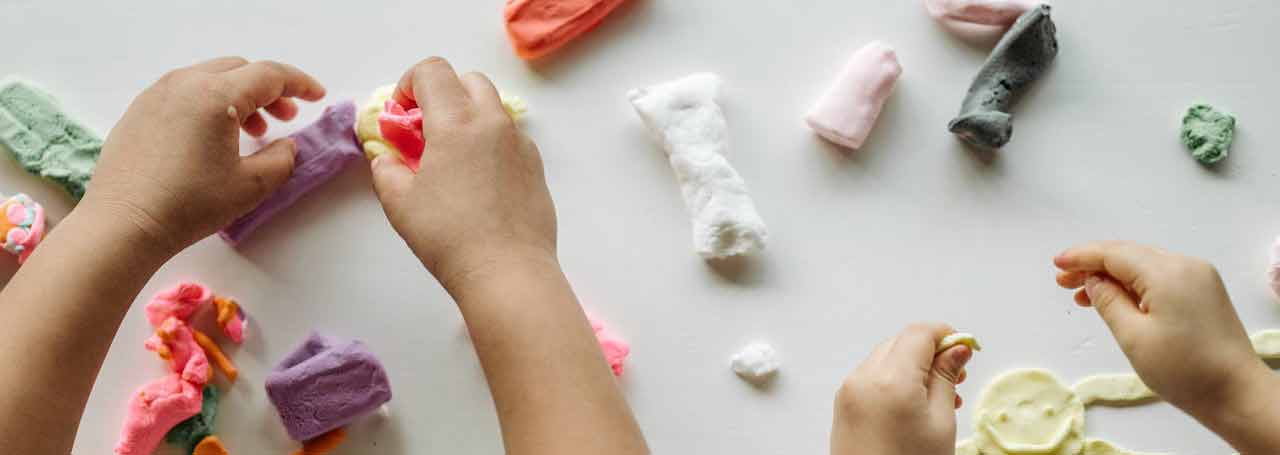
We follow the Early Years Learning Framework as per our programming policy. This is Australia’s first national Early Years Learning Framework for early childhood educators. The aim of this document is to extend and enrich children’s learning from birth to Five years and through the transition to school.
We are committed to providing a developmental and educational program, which caters for each child’s individual needs, abilities and interests. Our program will continue to develop as we use the relationships children have with their families and communities, working in partnership with parents, to ensure each child’s knowledge, ideas, culture, abilities and interests are the foundation of our programs.
We encourage children to be responsible for their own learning through choices in experiences, interests and routine. We use conversations, actions and play as the basis for teaching which involves the children being partners in teaching by seeking out ideas, opinions, thoughts and questions. We encourage children in promoting their independence and self-help skills by assisting within the routine and involving the children in interest based projects to further enhance their learning and knowledge. We value children and family input and encourage family involvement in order to gather a comprehensive and holistic view of the child.
We know that children learn effectively through play and Educators who are diligent in their responsiveness to each child support this. Applying strong intentional teaching practices will provide the children with an authentic and meaningful learning environment that challenges, supports and nurtures a child’s development.
If we as Educators have any areas of concern, we will inform you and advise where help may be pursued, e.g. speech therapist. We understand this is a sensitive topic and it is always your decision to follow this up. Educators are willing to discuss any aspect of learning and development with parents.
Early Years Learning Framework
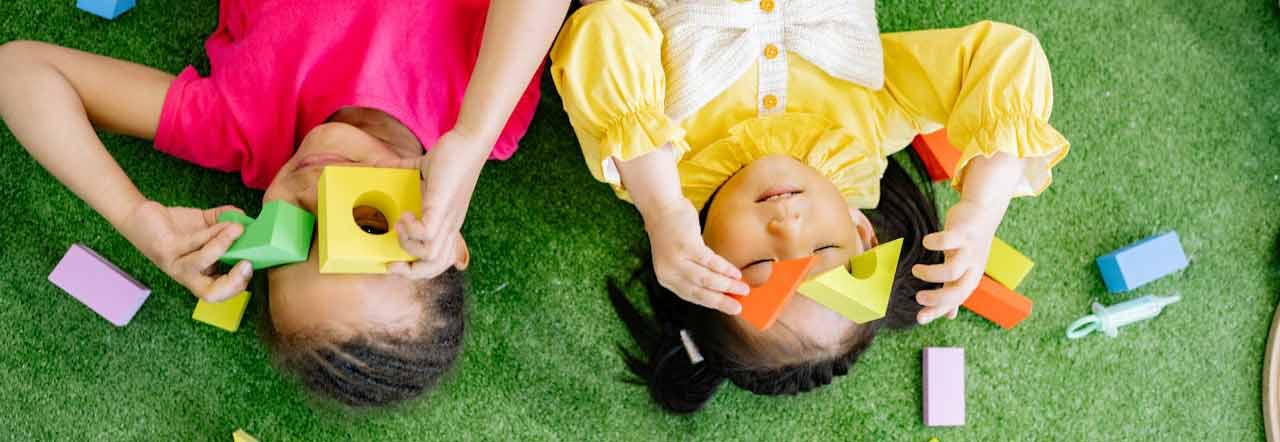
Fundamental to the Framework is a view of children’s lives as characterised by belonging, being and becoming. From before birth children are connected to family, community, culture and place.
Their earliest development and learning takes place through these relationships, particularly within families, who are children’s first and most influential educators. As children participate in everyday life, they develop interests and construct their own identities and understandings of the world.
Belonging
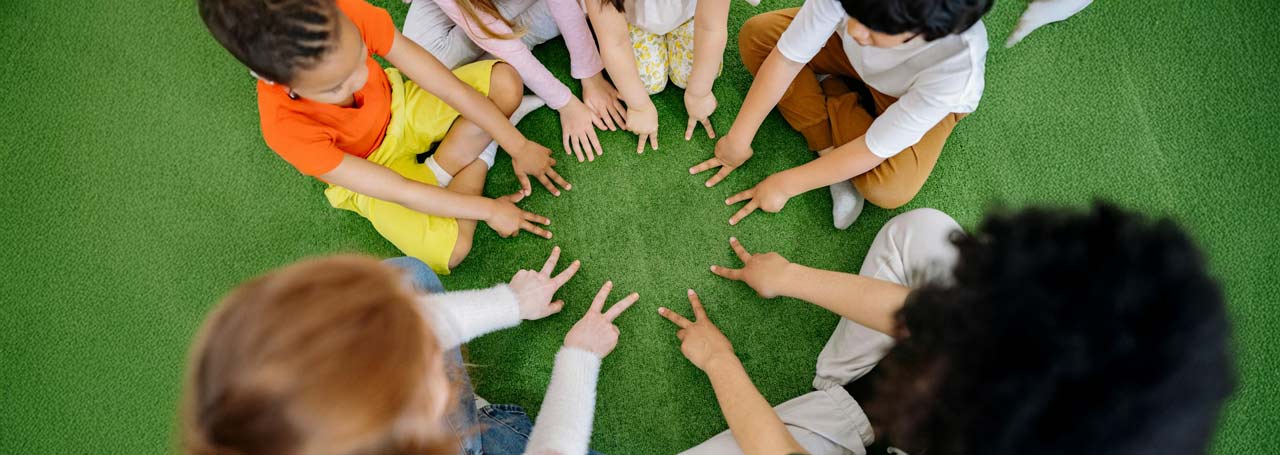
Experiencing belonging – knowing where and with whom you belong – is integral to human existence. Children belong first to a family, a cultural group, a neighbourhood and a wider community.
Belonging acknowledges children’s interdependence with others and the basis of relationships in defining identities. In early childhood, and throughout life, relationships are crucial to a sense of belonging. Belonging is central to being and becoming in that it shapes who children are and who they can become.
Being
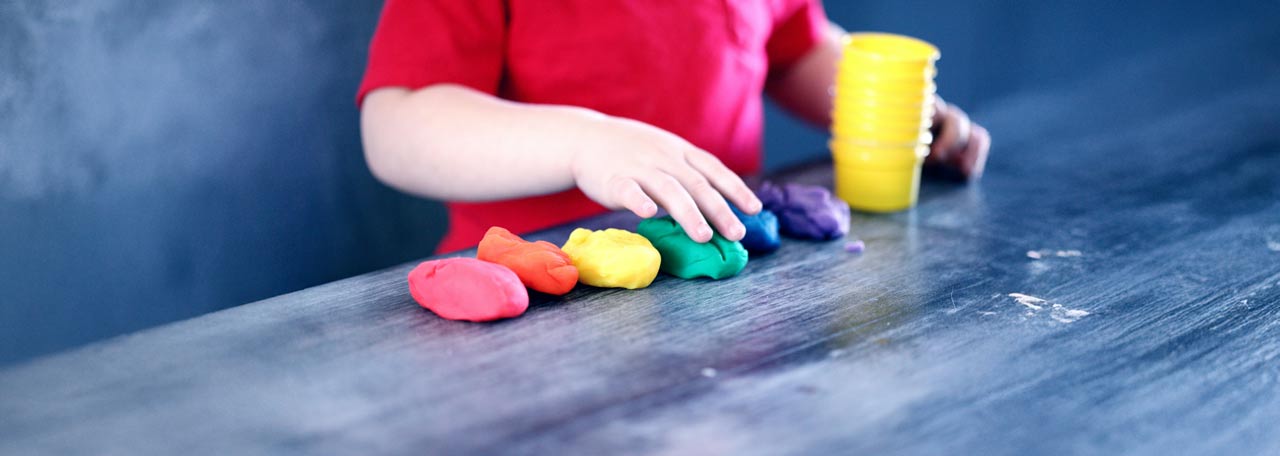
Childhood is a time to be, to seek and make meaning of the world. Being recognises the significance of the here and now in children’s lives.
It is about the present and them knowing themselves, building and maintaining relationships with others, engaging with life’s joys and complexities, and meeting challenges in everyday life. The early childhood years are not solely preparation for the future but also about the present.
Becoming
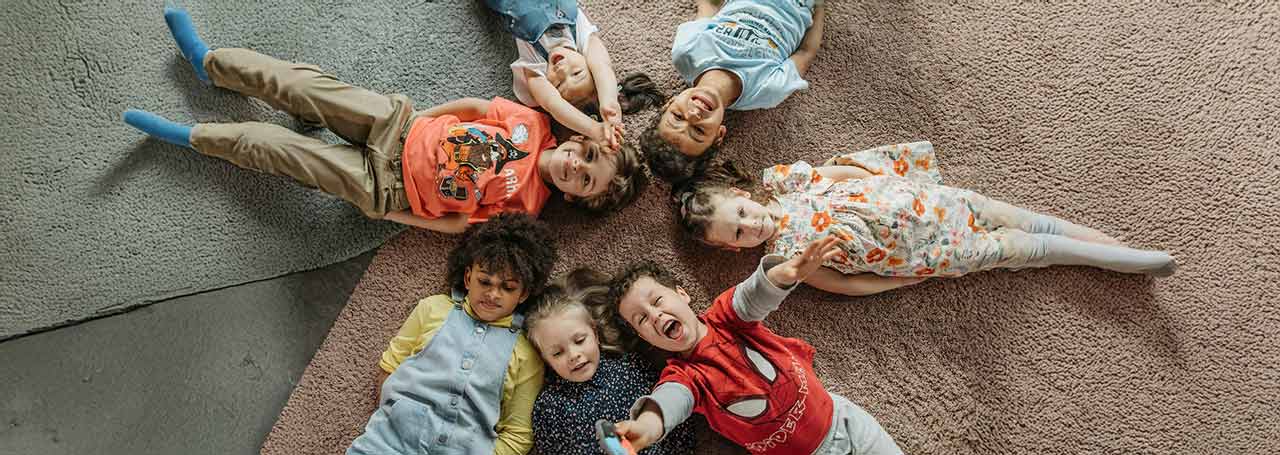
Children’s identities, knowledge, understandings, capacities, skills and relationships change during childhood.
They are shaped by many different events and circumstances. Becoming reflects this process of rapid and significant change that occurs in the early years as young children learn and grow. It emphasises learning to participate fully and actively in society.
Outcome 1: Children have a strong sense of identity
- Children feel safe, secure, and supported
- Children develop their emerging autonomy, inter-dependence, resilience and sense of agency
- Children develop knowledgeable and confident self-identities
- Children learn to interact in relation to others with care, empathy and respect
Outcome 2: Children are connected with and contribute to their world
- Children develop a sense of belonging to groups and communities and an understanding of the reciprocal rights and responsibilities necessary for active community participation
- Children respond to diversity with respect
- Children become aware of fairness
- Children become socially responsible and show respect for the environment
Outcome 3: Children have a strong sense of wellbeing
- Children become strong in their social and emotional wellbeing
- Children take increasing responsibility for their own health and physical wellbeing
Outcome 4: Children are confident and involved learners
- Children develop dispositions for learning such as curiosity, cooperation, confidence, creativity, commitment, enthusiasm, persistence, imagination and reflexivity
- Children develop a range of skills and processes such as problem solving, enquiry, experimentation, hypothesising, researching and investigating
- Children transfer and adapt what they have learned from one context to another
- Children resource their own learning through connecting with people, place, technologies and natural and processed materials
Outcome 5: Children are effective communicators
- Children interact verbally and non-verbally with others for a range of purposes
- Children engage with a range of texts and gain meaning from these texts
- Children express ideas and make meaning using a range of media
- Children begin to understand how symbols and pattern systems work
- Children use information and communication technologies to access information, investigate ideas and represent their thinking